.png)
L-Citrulline: The Quiet Powerhouse Behind Nitric Oxide


I was looking at my pre-workout supplement the other day and realized that there was a goodly amount of L-Citrulline in the formula. In fact, L-Citrulline made up nearly half of the formula weight. For someone in the supplement manufacturing industry, I knew embarrassingly little about this important ingredient, so I jumped online and started doing some research. Let me share with you what I learned.
What Is L-Citrulline?
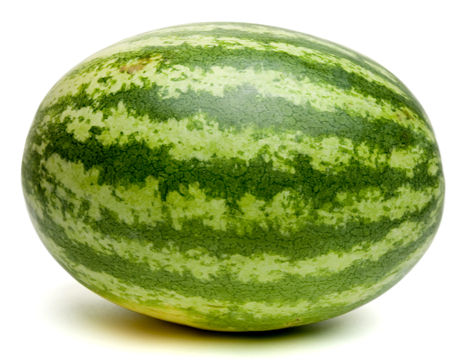
L-Citrulline is a naturally occurring, non-essential alpha-amino acid — "non-essential" because the body can produce it on its own, but "strategically important" because the amounts the body generates are rarely enough to meaningfully shift performance or cardiovascular function. Its name comes from citrullus, the Latin word for watermelon, which remains its most famous natural source.
Unlike most amino acids, citrulline is not incorporated into proteins. Instead, it plays a key structural role in two major biochemical pathways: the urea cycle, where it helps the body convert toxic ammonia into harmless urea for excretion, and the nitric oxide (NO) pathway, where it serves as a precursor to L-arginine, which in turn is the direct substrate for NO synthesis. This dual role — metabolic waste handler and circulatory support molecule — gives citrulline an unusually broad influence on human physiology.
The watermelon connection: While watermelon is the most concentrated food source of L-Citrulline, a single slice delivers only a few hundred milligrams — a fraction of the several grams required to produce measurable physiological effects.
A Brief History of Its Discovery
The story of L-Citrulline begins in early twentieth-century Japan. In 1914, two researchers — Yatarō Koga and Ryō Ōtake — first isolated the compound from watermelon juice while studying the fruit's unusual amino acid composition. Their work laid the initial groundwork, but it was Mitsunori Wada of Tokyo Imperial University who, in 1930, fully characterized and codified the structure of citrulline as a distinct amino acid, giving it its now-familiar name.
For decades after Wada's description, citrulline remained primarily a subject of academic biochemistry. Its role in the urea cycle was made clear through mid-century research, and preliminary studies in France during the 1970s hinted at potential therapeutic properties, including effects on fatigue and cognitive function, though these early trials lacked the rigor of modern clinical standards. It wasn't until the late 1990s and early 2000s — as sports nutrition science matured and researchers began exploring nitric oxide as a performance lever — that citrulline emerged from obscurity and into supplement formulations worldwide.
How Is It Made?
Commercial L-Citrulline reaches the supplement market through two main production routes: direct extraction from plant sources (historically watermelon) and — far more commonly today — microbial fermentation. A third route, chemical synthesis, exists but is rarely favored due to purity and other challenges.
Substrate Preparation: Fermentation-based production begins with a carbohydrate feedstock — typically glucose, corn starch, or cane molasses. These sugars serve as the energy source and carbon skeleton for the microbial biosynthesis of citrulline. Nitrogen sources such as ammonium sulfate are added to the fermentation medium.
Microbial Fermentation: Genetically optimized bacterial strains — most notably Corynebacterium glutamicum (the same organism widely used in industrial amino acid production) and strains of Pseudomonas putida — are cultured in controlled bioreactor conditions. These bacteria naturally produce citrulline as an intermediate in arginine biosynthesis; through metabolic engineering, the pathway is tuned to accumulate citrulline rather than proceed to arginine.
Isolation & Purification: Following fermentation, the broth undergoes a series of separation steps — filtration to remove cellular biomass, followed by ion-exchange chromatography and crystallization — to isolate high-purity L-Citrulline. Rigorous testing at each stage confirms stereochemical purity (ensuring the L-form, not the inactive D-form) and the absence of microbial contaminants.
Drying & Milling: The purified crystalline material is dried, often spray-dried or fluid-bed dried, and then milled to a consistent particle size. The resulting white, mildly tangy powder is what eventually ends up in supplement capsules and pre-workout tubs. Some manufacturers further micronize the powder to improve dispersibility in water.
If you are not engrossed in chemistry on a daily basis, then some of the jargon above may have been a bit baffling. The way I understand it is that you feed some stuff to some very special bacteria and, as a "thank you for the meal", it gives you back a citrulline "broth". The broth is filtered until only the L-Citrulline is left, and then it is prepped and dried to create the powder we all know and love.
How Is It Used in Supplements?
In the supplement industry, L-Citrulline appears primarily in two forms: pure L-Citrulline (free-form) and Citrulline Malate (a combination with malic acid). Understanding the difference matters considerably for anyone reading a supplement label.
Citrulline Malate blends L-Citrulline with malic acid, typically in a 2:1 ratio by weight. Malic acid is a Krebs cycle intermediate with its own theoretical role in energy metabolism and lactate clearance. The combination became popular in the early 2000s after French research suggested ergogenic effects. However, a critical point that many supplement labels obscure: in a 2:1 citrulline malate product, only about two-thirds of the listed weight is actual citrulline. A label claiming "6 g of Citrulline Malate" delivers roughly 4 g of L-Citrulline — a distinction that matters when clinical dose ranges start at 3–6 g of the pure amino acid.
Label literacy tip: If a pre-workout lists "Citrulline Malate" without specifying the ratio, you may be getting significantly less active citrulline than the headline number suggests. Pure L-Citrulline is what it says: 100% of the stated dose is the amino acid you're after.

Within sports nutrition, L-Citrulline is a core ingredient in pre-workout formulas, pump-focused products, and endurance supplements, where clinically studied doses typically range from 3 to 10 grams per serving. Evidence supports its ability to increase plasma arginine and nitric oxide metabolites (nitrate/nitrite), promote vasodilation, improve muscular endurance in resistance training, enhance oxygen uptake kinetics in aerobic work, and reduce perceived muscle soreness after exercise.
Beyond sports nutrition, citrulline is also explored in formulations targeting cardiovascular health and blood pressure management, erectile function support, anti-aging and healthy aging products focused on muscle protein synthesis in older adults, and medical nutrition contexts — particularly for patients with urea cycle disorders, who have used citrulline therapeutically since the neonatal period.
The L-Citrulline / L-Arginine Relationship
To understand why citrulline outperforms arginine as a supplement, you need to follow the path both amino acids take from your gut to your bloodstream.
Arginine is the direct substrate for nitric oxide synthesis: the enzyme nitric oxide synthase (NOS) converts arginine into NO and citrulline as a byproduct. Logic would suggest that supplementing arginine directly is the most efficient way to boost NO. In practice, however, it largely isn't, for one fundamental reason: first-pass metabolism.
When you swallow an arginine supplement, a substantial portion is broken down in the intestinal wall and liver by the enzyme arginase before it ever reaches systemic circulation. The "arginine paradox" — a term used in the literature — describes the puzzling observation that cells can increase NO production even when circulating arginine appears adequate, suggesting intracellular arginine recycling is the real driver of NO synthesis.
L-Citrulline - PREFERRED | L-Arginine - LIMITATIONS |
|---|---|
Bypasses intestinal and liver extraction almost entirely | Heavily metabolized in the gut and liver (first-pass extraction) |
Converted to arginine in the kidneys, releasing it directly into circulation | Results in a rapid but short-lived plasma spike with much lost as waste |
Produces sustained, prolonged elevation of plasma arginine and NO | GI side effects (cramping, diarrhea) common at effective doses of 10+ g |
Well tolerated at doses up to 15 g with no reported GI side effects | Poor bioavailability limits reliable translation to NO production |
Plasma arginine levels peak later but remain elevated longer | Less effective than citrulline at raising plasma arginine levels |
The net result: gram for gram, L-Citrulline more reliably and sustainably elevates plasma arginine and downstream NO production than L-Arginine itself. This is why citrulline has largely displaced arginine as the premier nitric oxide precursor in modern supplement formulations.
Side Effects & Safety
Citrulline is known for its good safety record, which is a real plus compared to other supplements that do the same job. Clinical research to date has not identified a toxic dose threshold in healthy adults, and oral supplementation at doses up to 15 grams has been reported without adverse events. Children with urea cycle disorders have used citrulline as long-term replacement therapy, further underlining its tolerability across populations.
No established toxic dose
Studies report no adverse events at doses up to 15 g orally. Unlike arginine and ornithine, citrulline does not cause the gastrointestinal distress (cramping, diarrhea) associated with large bolus doses of other amino acids.
Blood pressure interactions
Because citrulline promotes vasodilation through nitric oxide, it may enhance the effects of antihypertensive medications and phosphodiesterase inhibitors (e.g., sildenafil/Viagra). Combining citrulline with these drugs can cause an excessive and potentially dangerous drop in blood pressure.
Pregnancy & lactation
Safe doses during pregnancy and breastfeeding have not been established. Women who are pregnant or nursing should avoid supplementation or consult a physician before use.
Severe liver or kidney disease
While citrulline is metabolized primarily in the kidneys and plays a role in urea processing, maximum safe doses for individuals with serious hepatic or renal impairment have not been formally defined. Use with medical supervision in these populations.
No stimulant or dependency concerns
Unlike caffeine and other common pre-workout ingredients, citrulline has no stimulant properties, does not affect the central nervous system, and carries no habituation or dependency risk.
It is worth noting that as a dietary supplement in the United States, L-Citrulline is regulated by the FDA under DSHEA rather than as a drug, meaning pre-market approval is not required. The practical implication for consumers: product quality, purity, and actual dosing can vary considerably between brands. Third-party testing and supplier transparency remain important considerations when choosing a citrulline supplement. Canyonside Labs pre-screens the suppliers for all ingredients used in our supplement manufacturing.
Potential Difficulties in Manufacturing
Despite its widespread availability, commercial production of high-quality L-Citrulline is not without significant technical and logistical hurdles. Manufacturers — and the brands that source from them — navigate a range of challenges that directly affect product quality, price, and consistency.
Stereochemical Purity — Getting Only the L-FormSourcing the right citrulline can be a challenge. L-Citrulline is active in the body; its mirror image, D-Citrulline, is not. Chemical synthesis methods produce racemic mixtures of both forms, requiring additional steps (separation of D from L) that add cost and complexity. Fermentation-based production using biologically evolved enzymes is inherently enantioselective, naturally producing the L-form — a significant advantage of the biofermentation approach. |
Raw Material Price VolatilityBecause the cost structure of fermentation-produced citrulline is tightly coupled to feedstock costs, manufacturers face margin pressure when grain and sugar markets move unfavorably. This volatility is passed downstream, affecting supplement pricing in ways that are opaque to end consumers. |
Citrulline Malate Ratio AdulterationAnalysis of commercially available citrulline malate supplements has found that stated citrulline-to-malate ratios (typically 2:1) are frequently inaccurate. Some products deliver citrulline at a fraction of the labeled amount, with excess malic acid making up the weight difference. This quality control failure — whether through intentional adulteration or inconsistent manufacturing — is a real problem in the industry and underscores why analytical testing at the finished product level matters. |
Stability, Hygroscopicity & Formulation SensitivityPure L-Citrulline is moderately hygroscopic — it absorbs atmospheric moisture readily. In bulk powder and finished product storage, this can cause clumping, caking, and degradation, particularly in humid environments. Reducing the exposure to moisture through packaging (moisture barrier materials, desiccants) and storage conditions is a challenge. Additionally, citrulline's stability can be affected by pH extremes and temperature, limiting its compatibility with certain acidic formulations without buffering or encapsulation. |
Regulatory Complexity & Novel Food HurdlesWhile L-Citrulline is freely marketed as a dietary supplement in the United States, regulatory frameworks vary significantly across global markets. In the European Union, for example, certain amino acid formulations are subject to classification inquiries under Novel Food regulations, which can require authorization before commercialization and create significant barriers to market entry. Brands formulating for international markets must navigate these rules, often requiring country-specific documentation and testing programs. |
The Bottom Line
From a Japanese fruit lab in 1914 to billion-dollar global supplement markets a century later, L-Citrulline is one of the more scientifically grounded ingredients in modern sports nutrition and cardiovascular supplement science.
For most healthy adults pursuing performance or cardiovascular wellness goals, L-Citrulline remains a rare example of a supplement that earns its place on the label. Some reputable products you can find with L-Citrulline in them are: Gorilla Minds' Gorilla Mode Pre-Workout, or DoubleWood's Nitric Oxide Booster.
Quality You Can Trace
At Canyonside Labs, every ingredient we source is selected for purity, clinical dosing, and verified supply chain transparency. Curious about how we formulate with L-Citrulline?
References & Further Reading
The following peer-reviewed studies, systematic reviews, and primary sources informed the content of this article. Where specific claims are made, the underlying source is noted in context below.
DISCOVERY & HISTORY
Koga Y, Ōtake R. "Study report on the constituents of squeezed watermelon [in Japanese]." Tokyo Kagaku Kaishi (Journal of the Tokyo Chemical Society). 1914;35:519–528. — First isolation of citrulline from watermelon juice.
Wada M. "Über Citrullin, eine neue Aminosäure im Preßsaft der Wassermelone, Citrullus vulgarisschrad [in German]." Biochemische Zeitschrift. 1930;224:420–429. — Structure characterization of citrulline as a distinct amino acid.Referenced in: Kurtz AC. "A Simple Synthesis of dl-Citrulline." Journal of Biological Chemistry. 1938; and in multiple PMC reviews below.
Wikipedia contributors. "Citrulline." Wikipedia, The Free Encyclopedia. Accessed February 2026. en.wikipedia.org/wiki/Citrulline — Overview of discovery timeline and biochemical role; cross-referenced with primary sources.
BIOCHEMISTRY & METABOLISM
Curis E, Nicolis I, Moinard C, et al. "Almost all about citrulline in mammals." Amino Acids. 2005;29(3):177–205. doi:10.1007/s00726-005-0235-4 — Comprehensive review of citrulline metabolism, biosynthesis, and physiological roles.
Moinard C, Cynober L. "Citrulline: from metabolism to therapeutic use." Journal of Nutrition. 2007;137(6):1621S–1625S. inserm.hal.science — Details citrulline's splanchnic bypass, intestinal transport, and renal conversion to arginine.
Crenn P, Moinard C, Cynober L. "Citrulline in health and disease. Review on human studies." Clinical Nutrition. 2018;37(3):722–728. doi:10.1016/j.clnu.2017.09.006 — Reviews citrulline safety data, urea cycle defects therapy, and clinical pharmacology.
Dhanakoti SN, Brosnan JT, Herzberg GR, Brosnan ME. "Renal arginine synthesis: studies in vitro and in vivo." American Journal of Physiology. 1990;259(3):E437–E442. doi:10.1152/ajpendo.1990.259.3.E437 — Establishes the kidney as the primary site of citrulline-to-arginine conversion.
L-CITRULLINE VS. L-ARGININE & NITRIC OXIDE
Schwedhelm E, Maas R, Freese R, et al. "Pharmacokinetic and pharmacodynamic properties of oral L-citrulline and L-arginine: impact on nitric oxide metabolism." British Journal of Clinical Pharmacology. 2008;65(1):51–59. doi:10.1111/j.1365-2125.2007.02990.x | PMC2291275 — Landmark human RCT (n=20) demonstrating citrulline dose-dependently raises plasma arginine and NO-dependent signalling more effectively than arginine itself. Introduced the concept that citrulline bypasses presystemic elimination via intestinal arginase.
Agarwal U, Didelija IC, Yuan Y, Wang X, Marini JC. "Supplemental Citrulline Is More Efficient Than Arginine in Increasing Systemic Arginine Availability in Mice." Journal of Nutrition. 2017;147(4):596–602. doi:10.3945/jn.116.240382 | PMC5368575 — Demonstrates that ~70% of supplemental arginine undergoes first-pass splanchnic extraction; all supplemented citrulline appeared in plasma.
Romero MJ, Platt DH, Caldwell RB, Caldwell RW. "Therapeutic use of citrulline in cardiovascular disease." Cardiovascular Drug Reviews. 2006;24(3–4):275–290. — Overview of citrulline's vascular mechanisms, including the arginine paradox and endothelial dysfunction.
Bailey SJ, Blackwell JR, Lord T, et al. "L-citrulline supplementation improves O2 uptake kinetics and high-intensity exercise performance in humans." Journal of Applied Physiology. 2015;119(4):385–395. doi:10.1152/japplphysiol.00192.2014 — RCT (n=10) comparing pure citrulline vs. arginine vs. placebo; citrulline reduced blood pressure and improved VO₂ kinetics while arginine did not.
van Faassen EE, Bahrami S, Feelisch M, et al. "Nitrite as regulator of hypoxic signaling in mammalian physiology." Medical Research Reviews. 2009;29(5):683–741. — Background on nitric oxide/nitrite biology underlying citrulline's vasodilatory mechanism.
Orozco-Gutiérrez JJ, Castillo-Martínez L, Orea-Tejeda A, et al. "Effect of L-arginine or L-citrulline oral supplementation on blood pressure and right ventricular function in heart failure patients with preserved ejection fraction." Cardiology Journal. 2010;17(6):612–618. — Cardiovascular clinical application; citrulline shown to improve brachial blood pressure and right ventricular function.
Romero MJ, et al. "The Effects of Oral L-Arginine and L-Citrulline Supplementation on Blood Pressure." Nutrients. 2019;11(7):1679. doi:10.3390/nu11071679 | PMC6683098 — Meta-analytic review; describes the "L-arginine paradox" and confirms citrulline is approximately twice as potent as arginine for raising plasma arginine due to lower first-pass metabolism.
Romero-Sánchez G, et al. "Therapeutic Potential of Citrulline as an Arginine Supplement: A Clinical Pharmacology Review." Pediatric Research. 2020. PMC7274894 — Reviews pharmacokinetics of citrulline vs. arginine in both adult and pediatric disease contexts.
EXERCISE PERFORMANCE
Pérez-Guisado J, Jakeman PM. "Citrulline malate enhances athletic anaerobic performance and relieves muscle soreness." Journal of Strength and Conditioning Research. 2010;24(5):1215–1222. doi:10.1519/JSC.0b013e3181cb28e0 — Frequently cited trial showing increased bench press repetitions and reduced post-exercise soreness with citrulline malate.
Suzuki T, Morita M, Kobayashi Y, Kamimura A. "Oral L-citrulline supplementation enhances cycling time trial performance in healthy trained men: Double-blind randomized placebo-controlled 2-way crossover study." Journal of the International Society of Sports Nutrition. 2016;13:6. doi:10.1186/s12970-016-0117-z
Vårvik FT, Bjørnsen T, Gonzalez AM. "Acute Effect of Citrulline Malate on Repetition Performance During Strength Training: A Systematic Review and Meta-Analysis." International Journal of Sport Nutrition and Exercise Metabolism. 2021;31(4):350–358. doi:10.1123/ijsnem.2020-0022
Gough LA, Sparks SA, McNaughton LR, et al. "A critical review of citrulline malate supplementation and exercise performance." European Journal of Applied Physiology. 2021;121(12):3283–3295. doi:10.1007/s00421-021-04774-6 | PMC8571142 — Identifies methodological reasons for conflicting citrulline malate data and the need to distinguish CM from pure citrulline in study design.
Oral Vascular Delivery Study: Hirai DM, et al. "Oral administration of L-citrulline alters the vascular delivery of substances to rat skeletal muscles." Physiological Reports. 2021. PMC8515244
SAFETY & CLINICAL USE
Curis E, et al. "Citrulline and the gut." Current Opinion in Clinical Nutrition & Metabolic Care. 2007;10(5):620–626. — Long-term citrulline safety in urea cycle defect therapy from the neonatal period; no toxicity observed.
Breuillard C, Cynober L, Moinard C. "Citrulline and nitrogen homeostasis: an overview." Amino Acids. 2015;47(4):685–691. doi:10.1007/s00726-015-1932-2 — Reviews safety data up to 15 g oral dose and notes absence of GI side effects common with arginine/ornithine.
WebMD / Natural Medicines. "L-Citrulline: Overview, Uses, Side Effects, Precautions, Interactions." webmd.com — Aggregated clinical safety summary; notes caution with antihypertensives and PDE5 inhibitors, and advises against use in pregnancy.
Citrulline as a marker of intestinal function: Fragkos KC, Forbes A. "Citrulline as a marker of intestinal function and absorption in clinical settings." World Journal of Gastroenterology. 2018;24(26):2945–2960. PMC5833233 — Confirms citrulline isolation origins (Koga & Ohtake, 1914; Wada, 1930) and clinical safety use history.
MANUFACTURING, FORMULATION & INDUSTRY QUALITY
NutraBio Brands. "Citrulline vs. Citrulline Malate — We Challenged the Industry and It's Still Happening." NutraBio Blog. November 2019. nutrabio.com — Industry practitioner account documenting that commercial "citrulline malate" is predominantly a dry blend of citrulline + malic acid, not a chemically reacted salt; includes supply chain documentation.
ConsumerLab.com. "L-Citrulline Supplements Review." Updated 2023–2024. consumerlab.com — Third-party HPLC testing of commercial citrulline products; identifies labeling accuracy issues and recommends pure L-Citrulline over citrulline malate for dose certainty.
Gough LA, et al. (2021, as above, ref. 19) — Also notes dosing ambiguity in citrulline malate research due to variable and often unlabeled citrulline-to-malate ratios.
Wendisch VF, et al. "Metabolic engineering of Corynebacterium glutamicum for amino acid production." Current Opinion in Microbiology. 2006;9(3):268–274. — Background on the microbial fermentation platform used in industrial citrulline production.
PubChem. "Citrulline (CID 9750)." National Library of Medicine. pubchem.ncbi.nlm.nih.gov — Chemical structure, physical properties (hygroscopicity data), and compound classification.


Comments