.png)
NAC (N-Acetylcysteine): A Comprehensive Guide to Sources, Uses, Mechanisms, and Manufacturing

Updated: Jul 23

Author: Canyonside Labs
Category: Custom Supplement Manufacturing, Active Ingredients, Contract Manufacturing
Last Updated: December 2025
Reading Time: 8 minutes
Summary
N-Acetylcysteine (NAC) is a well-established ingredient with growing consumer interest. This acetylated form of the amino acid L-cysteine serves as a precursor to glutathione, the body's master antioxidant. NAC is used in both pharmaceutical applications and dietary supplements for supporting antioxidant systems, liver health, respiratory function, and immune health. However, NAC presents unique manufacturing challenges, including sulfur odor, stability concerns, ingredient interactions, and solubility limitations that require specialized formulation expertise from an experienced custom supplement manufacturer.
What Is NAC and Where Does NAC Come From?
N-Acetylcysteine, abbreviated as NAC, is a modified form of L-cysteine, one of the 20 standard amino acids used to build proteins in the human body. It has been used medically since the 1960s and has been available as a dietary supplement for decades. Unlike some supplement ingredients derived directly from food sources, NAC is synthesized through chemical modification of L-cysteine by adding an acetyl group. This acetylation process improves the stability and bioavailability of cysteine, making it more effective as a supplement ingredient.
The L-cysteine used as the starting material can be produced through fermentation processes or extracted from protein-rich sources. The acetylation creates a more stable molecule that's better absorbed by the body and less prone to oxidation than cysteine alone.
How Is NAC Used? Applications and Dosage
NAC has a fascinating dual identity—it's both an FDA-approved pharmaceutical drug and a popular dietary supplement ingredient.
Medical Applications
In clinical settings, NAC has been used for decades as a mucolytic agent (to break down mucus) and as the primary antidote for acetaminophen (Tylenol) overdose. Its ability to replenish glutathione makes it life-saving in cases of liver toxicity.
Supplement Applications
In the dietary supplement space, NAC is incorporated into formulas designed to support:
Antioxidant defense systems
Liver health and detoxification
Respiratory function
Immune system function
Mental clarity and mood
Athletic recovery
It's commonly found in capsules, tablets, and powder formulations, with typical dosages ranging from 600mg to 1,800mg per day.
How Does NAC Work?
NAC's benefits stem primarily from its role as a precursor to glutathione, often called the body's "master antioxidant." Here's how the mechanism works:
Glutathione Production: When you consume NAC, it provides the body with cysteine—the rate-limiting precursor needed to synthesize glutathione. Glutathione is crucial for neutralizing free radicals, supporting detoxification pathways in the liver, and maintaining cellular health throughout the body.
Direct Antioxidant Effects: Beyond its role in glutathione production, NAC itself has direct antioxidant properties. The compound contains a sulfhydryl (-SH) group that can directly neutralize reactive oxygen species and reduce oxidative stress.
Mucolytic Properties: NAC's ability to break disulfide bonds in mucus proteins makes it effective for thinning mucus secretions, which explains its traditional use in respiratory support.
Modulation of Cellular Pathways: Research suggests NAC may influence various cellular signaling pathways, including those involved in inflammation and immune response, though the exact mechanisms continue to be studied.
Manufacturing Challenges with NAC
While NAC is a powerful and popular ingredient, it presents several formulation challenges that require careful consideration.
Challenge 1: Sulfurous Odor and Taste
The Problem: NAC contains sulfur, giving it a distinctive smell and taste often compared to rotten eggs or sulfur. This is the single most common consumer complaint about NAC supplements.
Solutions:
Encapsulation: Veggie or gelatin capsules provide effective masking.
Enteric Coating: Delays release until past the stomach, reducing taste exposure.
Delayed-Release Technology: Specialized coatings that release in the intestines.
Flavoring Systems: For powders, strong flavors like citrus or berry can help mask.
Smaller Serving Sizes: Multiple smaller doses may be better tolerated.
Tablet Coatings: Film coatings can reduce odor and taste exposure.
Packaging: Aluminum blister packs contain odor better than bottles.
Challenge 2: Stability and Degradation
Stability Concerns
NAC is sensitive to several environmental factors:
Moisture Sensitivity
Hygroscopic (absorbs water from air).
Can degrade in high humidity.
Forms sticky clumps when exposed to moisture.
Potency loss over time in humid conditions.
Temperature Sensitivity
Degrades faster at elevated temperatures.
Manufacturing heat (compression, encapsulation) must be controlled.
Storage in hot warehouses or vehicles is problematic.
pH Sensitivity
Most stable at pH 2-3.
Can degrade at neutral or alkaline pH.
Important consideration for effervescent or liquid formulations.
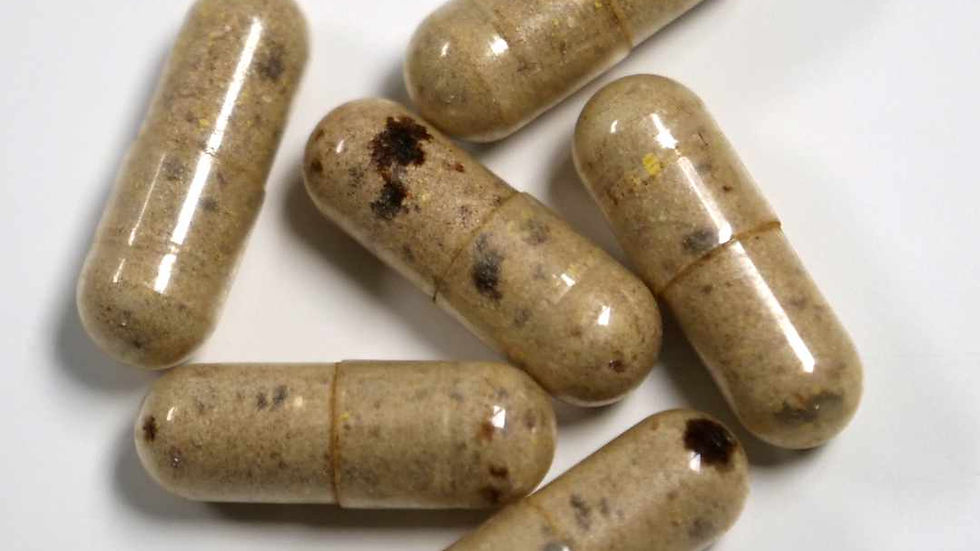
Oxidation
The thiol group can oxidize to form dimers (two molecules linked).
Discoloration may occur (yellowing or browning).
Oxygen exposure should be minimized.
Mitigation Strategies
Desiccants in bottle packaging.
Moisture barrier packaging (aluminum, foil-lined bottles).
Individual blister packs.
Nitrogen flushing during packaging.
Climate-controlled storage.
Stability testing under stressed conditions.
Conservative expiration dating.
Inclusion of antioxidant excipients where appropriate.
Challenge 3: Ingredient Interactions and Incompatibilities
Reactive Nature
NAC's free thiol group can interact with other formula components.
Interactions with Minerals
Can chelate metals like copper, iron, zinc.
May reduce bioavailability of minerals.
May affect mineral stability.
Timing of doses may need consideration.
Vitamin Interactions
Potential interaction with certain B vitamins.
May affect vitamin C in formulation.
Can impact vitamin E stability.
Color Changes
Discoloration of tablets or capsule contents.
Browning reactions with certain excipients.
May indicate degradation over shelf life.
Physical Incompatibilities
Can affect tablet hardness.
May impact powder flow.
Potential for caking or clumping.
Best Practices
Comprehensive compatibility studies during development.
Stability testing of finished products.
Consideration of separation strategies (layered tablets, separate capsules).
Accelerated aging studies.
Real-time stability monitoring.
Challenge 4: Solubility and Dissolution
pH-Dependent Solubility
Poor solubility at neutral pH.
Better solubility in acidic conditions.
Best solubility in alkaline solutions (but less stable).
Challenges for liquid formulations.
Water Solubility
Limited solubility in pure water.
Approximately 100 mg/mL in water.
Forms cloudy solutions.
May precipitate out.
Implications for Formulation
Difficult to formulate in beverages or liquid formats.
Effervescent tablets require careful formulation.
Powder mixes may not fully dissolve.
Suspension formulations may be necessary.
Particle size may impact dissolution rate.
Approaches
pH adjustment in liquid formulations.
Solubilizing agents or surfactants.
Micronization (reducing particle size).
Effervescent systems that create alkaline pH.
Liposomal or enhanced delivery systems.
Powder mixes with clarifying agents.
Challenge 5: Processing and Manufacturing Considerations
Hygroscopic Nature
NAC readily absorbs moisture from the environment, causing:
Powder Flow Issues
Clumping during storage.
Poor flowability through hoppers and feeders.
Inconsistent dosing in automated equipment.
Weight variation in final products.
Tablet Compression Problems
Sticking to punches and dies.
Poor compaction.
Tablets that are too soft or friable.
Capping or lamination defects.
Capsule Filling Challenges
Density variations.
Weight variation between capsules.
Powder bridging in filling equipment.
Plugging of dosing discs.
Manufacturing Solutions
Climate-controlled production areas (low humidity).
Dehumidification systems.
Rapid processing times.
Pre-blending with flow agents (silicon dioxide, magnesium stearate).
Appropriate excipient selection.
Specialized filling equipment.
Direct compression vs. granulation considerations.
In-process controls for weight uniformity.
Working with NAC: Why Choose an Experienced Custom Supplement Manufacturer
At Canyonside Labs, we have extensive experience formulating and manufacturing products containing challenging ingredients like NAC. As a custom supplement manufacturer, we understand that every brand has unique requirements, and ingredients like NAC demand tailored solutions rather than one-size-fits-all approaches. Our experience with challenging ingredients like NAC allows us to:
Select high-quality NAC sources with appropriate certificates of analysis.
Design formulations that maximize stability and bioavailability.
Implement manufacturing processes that preserve ingredient integrity.
Conduct thorough compatibility and stability testing.
Create finished products that meet label claims throughout their shelf life.
Whether you're developing a standalone NAC supplement or incorporating it into a complex multi-ingredient formula, understanding these manufacturing considerations is essential for creating an effective, stable, and consumer-friendly product.
Frequently Asked Questions About NAC
Q: What is the recommended daily dose of NAC?
A: Typical supplement doses range from 600mg to 1,800mg per day, often divided into 2-3 doses. Clinical studies have used various dosing regimens. Always follow product label instructions or healthcare provider guidance.
Q: Can NAC be taken with other supplements?
A: Generally yes, but there are considerations. NAC may interact with minerals like copper and zinc. It's best to separate doses or consult with a healthcare provider about your specific supplement regimen.
Q: Why does NAC smell like sulfur?
A: NAC contains sulfur in its chemical structure, specifically in the thiol (-SH) group. This is the same element that gives rotten eggs their characteristic smell. The sulfur is essential to NAC's function but does create odor challenges in manufacturing.
Q: How should NAC supplements be stored?
A: Store in a cool, dry place away from moisture and heat. Keep containers tightly sealed. Some products include desiccant packets to absorb moisture—keep these in the bottle. Blister-packed products offer additional protection from humidity.
Q: Is NAC the same as cysteine?
A: Not exactly. NAC is N-Acetylcysteine, which is cysteine with an acetyl group attached. This modification makes NAC more stable and better absorbed than plain cysteine. Once absorbed, the body removes the acetyl group to use the cysteine for glutathione production.
Q: Can NAC be used in liquid or powder drink mixes?
A: It's challenging due to NAC's limited water solubility, sulfur odor, and taste. Effervescent formats or heavily flavored powder mixes are possible but require careful formulation from an experienced custom supplement manufacturer. Capsules and tablets are more common and consumer-friendly delivery methods.
Conclusion
NAC represents both an opportunity and a challenge in supplement formulation. Its well-researched benefits and growing consumer interest make it an attractive ingredient for brands looking to support antioxidant health, liver function, respiratory wellness, and more. However, NAC's unique properties—including its characteristic odor, stability sensitivities, potential interactions, and processing difficulties—require specialized formulation expertise and careful manufacturing practices from an experienced custom supplement manufacturer.
Understanding where NAC comes from (synthesized from L-cysteine), how it works in the body (primarily as a glutathione precursor), how it's used (in both medical and supplement applications), and what challenges it presents in manufacturing is essential for brands considering this ingredient. Success with NAC requires not just knowledge of its benefits, but practical experience managing its technical limitations—exactly what a specialized custom supplement manufacturer provides.
At Canyonside Labs, we combine scientific understanding with practical manufacturing expertise to create NAC products that are stable, effective, and consumer-friendly. Our comprehensive approach as a custom supplement manufacturer addresses each challenge—from odor masking to stability optimization—ensuring that the finished product delivers on its promises throughout its shelf life.
About Canyonside Labs
Canyonside Labs is a custom supplement manufacturer specializing in complex formulations and challenging ingredients. As an experienced contract manufacturer, we provide end-to-end custom supplement manufacturing services from concept development through commercial production. Our state-of-the-art facility, experienced formulation team, and commitment to quality enable us to bring innovative supplement products to market. We partner with brands at every stage, delivering customized solutions that meet your unique product requirements.
Interested in formulating with NAC or other challenging ingredients? Contact Canyonside Labs to discuss how our formulation and manufacturing expertise can bring your product vision to life.
References
Aldini G, Altomare A, Baron G, et al. N-Acetylcysteine as an antioxidant and disulphide breaking agent: the reasons why. Free Radical Research. 2018;52(7):751-762. doi:10.1080/10715762.2018.1468564
Rushworth GF, Megson IL. Existing and potential therapeutic uses for N-acetylcysteine: the need for conversion to intracellular glutathione for antioxidant benefits. Pharmacology & Therapeutics. 2014;141(2):150-159. doi:10.1016/j.pharmthera.2013.09.006
Sahasrabudhe SA, Terluk MR, Kartha RV. N-acetylcysteine Pharmacology and Applications in Rare Diseases—Repurposing an Old Antioxidant. Antioxidants. 2023;12(7):1316. doi:10.3390/antiox12071316
Atkuri KR, Mantovani JJ, Herzenberg LA, Herzenberg LA. N-Acetylcysteine—a safe antidote for cysteine/glutathione deficiency. Current Opinion in Pharmacology. 2007;7(4):355-359. doi:10.1016/j.coph.2007.04.005
Lavoie S, Murray MM, Deppen P, et al. Glutathione Precursor, N-Acetyl-Cysteine, Improves Mismatch Negativity in Schizophrenia Patients. Neuropsychopharmacology. 2008;33(9):2187-2199. doi:10.1038/sj.npp.1301624
Whillier S, Raftos JE, Chapman B, Kuchel PW. Role of N-acetylcysteine and cystine in glutathione synthesis in human erythrocytes. Redox Report. 2009;14(3):115-124. doi:10.1179/135100009X392539
Acetylcysteine. In: StatPearls [Internet]. Treasure Island (FL): StatPearls Publishing; 2024. Updated February 29, 2024. https://www.ncbi.nlm.nih.gov/books/NBK537183/
U.S. Food and Drug Administration. Acetadote (acetylcysteine) injection [package insert]. Cumberland Pharmaceuticals Inc.; January 2004.
Acetylcysteine. In: DrugBank Online. https://go.drugbank.com/drugs/DB06151. Accessed December 2025.
10. de Andrade KQ, Moura FA, dos Santos JM, de Araújo OR, de Farias Santos JC, Goulart MO. N-Acetylcysteine (NAC) Impacts on Human Health. Antioxidants. 2021;10(6):967. doi:10.3390/antiox10060967
11. Acetylcysteine. Wikipedia. Updated December 2025. https://en.wikipedia.org/wiki/Acetylcysteine
12. Miller D. The hunt for N-acetylcysteine: Medicine or dietary supplement? MDedge Internal Medicine. 2022. https://community.the-hospitalist.org/content/hunt-n-acetylcysteine-medicine-or-dietary-supplement
13. Smilkstein MJ, Knapp GL, Kulig KW, Rumack BH. Efficacy of oral N-acetylcysteine in the treatment of acetaminophen overdose. Analysis of the national multicenter study (1976 to 1985). The New England Journal of Medicine. 1988;319(24):1557-1562. doi:10.1056/NEJM198812153192401
14. Acetaminophen Toxicity Treatment & Management. Medscape. https://emedicine.medscape.com/article/820200-treatment. Accessed December 2025.
15. ToxCard: N-Acetylcysteine for Acetaminophen Toxicity. emDocs. August 19, 2023. https://www.emdocs.net/toxcard-n-acetylcysteine-for-acetaminophen-toxicity/
16. Dribben WH, Porto SM, Weil LV, Keene PM, Hammer SM. Stability and microbiology of inhalant n-acetylcysteine used as an intravenous solution for the treatment of acetaminophen poisoning. Annals of Emergency Medicine. 2003;42(1):9-13. doi:10.1067/mem.2003.229
17. Dupuis C, Hamdad F, Robitaille N, Pirnay S, Boudène L, Tétard D. Stability Study of Parenteral N-Acetylcysteine, and Chemical Inhibition of Its Dimerization. Pharmaceuticals. 2023;16(1):90. doi:10.3390/ph16010090
18. Schmitt B, Vicenzi M, Garrel C, Denis FM. Effects of N-acetylcysteine, oral glutathione (GSH) and a novel sublingual form of GSH on oxidative stress markers: A comparative crossover study. Redox Biology. 2015;6:198-205. doi:10.1016/j.redox.2015.07.012
19. Ansari M, Alikhani Y, Banafshe HR, Mohammadi E. Granulation and encapsulation of N-Acetylcysteine (NAC) by internal phase separation. Food Hydrocolloids. 2022;129:107608. doi:10.1016/j.foodhyd.2022.107608
20. N-Acetylcysteine. Memorial Sloan Kettering Cancer Center. https://www.mskcc.org/cancer-care/integrative-medicine/herbs/n-acetylcysteine. Accessed December 2025.
21. NAC (N-Acetylcysteine) Supplements Review. ConsumerLab.com. https://www.consumerlab.com/n-acetyl-cysteine-nac/. Accessed December 2025.
22. How to Get N-Acetyl Cysteine (NAC) and Use It Safely. Biology Insights. December 2025. https://biologyinsights.com/how-to-get-n-acetyl-cysteine-nac-and-use-it-safely/


Comments